Mo Gilligan Ate Fried Chicken for 28 Days and Here's What Actually Happened
The Man Who Ate Nothing But Fried Chicken for a Month
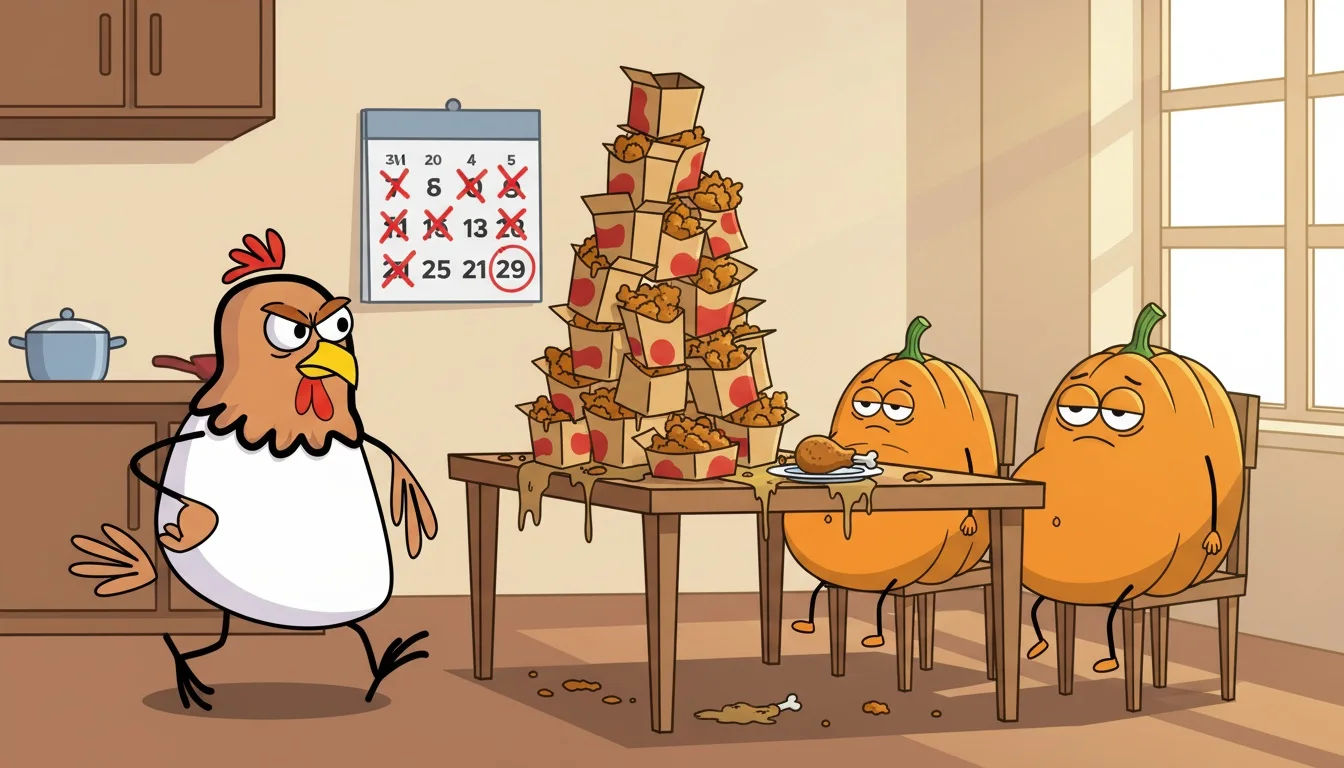
Mo Gilligan, the comedian, did something absolutely mental. He ate fried chicken three times a day for 28 days straight and filmed the whole thing for Netflix. Breakfast: fried chicken. Lunch: fried chicken. Dinner: you guessed it, more fried chicken.
Now look, I'm not saying your teenager is doing that exact thing. But if you've got a secondary school kid who grabs a chicken wrap on the way in, hits the chippy at lunch, and begs for a Nando's on Friday night, you're looking at fried chicken showing up three, four, maybe five times a week...and Mo's documentary pulls back the curtain on what that actually does to a body and a brain.
What Happened to His Body (Spoiler: It Wasn't Pretty)
Within weeks, Mo experienced rapid physical deterioration. Weight gain, obs! But also the kind of sluggish, foggy, can't-be-bothered feeling that comes when your body is running on fuel it was never designed to process. The stuff that goes into commercial fried chicken, the oils, the coatings, the salt loads, it's engineered for profit and palatability, not for keeping a human being upright and functional.
Here's the kicker: it wasn't just his waistline. His mental health tanked. Mood swings, low energy, the kind of brain SMOG that makes even simple decisions feel overwhelming. and this is a grown man who knew exactly what he was doing and why. Imagine what it's doing to a 14-year-old whose brain is still developing and who has no idea their after-school chicken box is messing with their ability to concentrate in maths.
Why Did He Do It?
Mo wasn't trying to go viral or shift copies of a fitness DVD. He wanted to expose the fast food industry's refusal to be transparent about what they're actually selling and who it's harming. He discovered that fresh produce costs more than cheap fried chicken, creating impossible (or certainly perceived as impossible!) choices for families on tight budgets. KFC refused to engage obs. Lobbyists dodged accountability. The industry's silence, as Mo put it, was damning.
This wasn't actually a stunt as such. It was more investigative journalism dressed up as a comedy special and the findings were kinda... grim.
What This Means for Families (and Why Food Actually Matters)
Look here's the serious bit. Food is fuel. It's not a reward, a punishment, or a moral failing. It's the literal substance your kid's body uses to build bones, grow neurons, regulate mood and fight off illness. When that fuel is stripped of nutrients and loaded with sugar, salt and industrial substances, the body and cells, well they break down.
We know from research that kids' brains use 23% of their body's calories at rest and are 60% fat by dry weight. They need omega-3s, B vitamins and essential minerals to learn, remember and regulate emotions. Only 4.5% of UK children meet oily fish consumption targets, meaning most are nutritionally compromised before they even sit down to homework - (this is not to make you feel guilty btw, that doesn't help any of us, it's just so you know).
and the mental health stuff? It's not just correlation. Sugar drives insulin resistance and oxidative stress, which reduces oxygen supply to the brain and increases risk of cognitive decline later in life, put bluntly (soz, but needs must).
This isn't about banning fried chicken or turning your house into a joyless salad bar lol. It's about recognising that when fried chicken becomes the default multiple times a week, you're not dealing with a preference problem. You're dealing with a behaviour problem in a food environment designed to make the cheap, fast option the easy option.
Building Better Habits Without Losing Your Mind
So what do you actually do? You can't ban takeaways. You can't afford to replace every meal with organic salmon and hand-massaged kale. But you can start small.
Family meals have declined 30% over three decades, but kids who eat together show better academic performance, language development and lower rates of obesity, eating disorders and depression as teenagers. Start with one meal a week if you're not doing it now. It doesn't need to be fancy. It doesn't even need to be dinner. A weekend breakfast where everyone sits down for 15 minutes counts.
Involve kids in prep and cooking. They're more invested in meals they helped make, and they learn that food doesn't just appear in a cardboard box. Remove the friction: phones off, TV off, no distractions. The connection is the actual point, not the menu.
And! if you're looking for something that helps you plan, reduce waste and cook real food at home more often without turning it into another full-time job, that's exactly why we built Tucki. It's a behaviour change engine, not a lecture. It helps you close the gap between knowing what you should do and actually doing it, in real life, with real kids who sometimes just want chicken nuggets.
Mo Gilligan's experiment was extreme, but the lesson isn't. When you let the food environment win by default, your family's health loses. Small, sustainable habits beat perfect intentions every single time.